
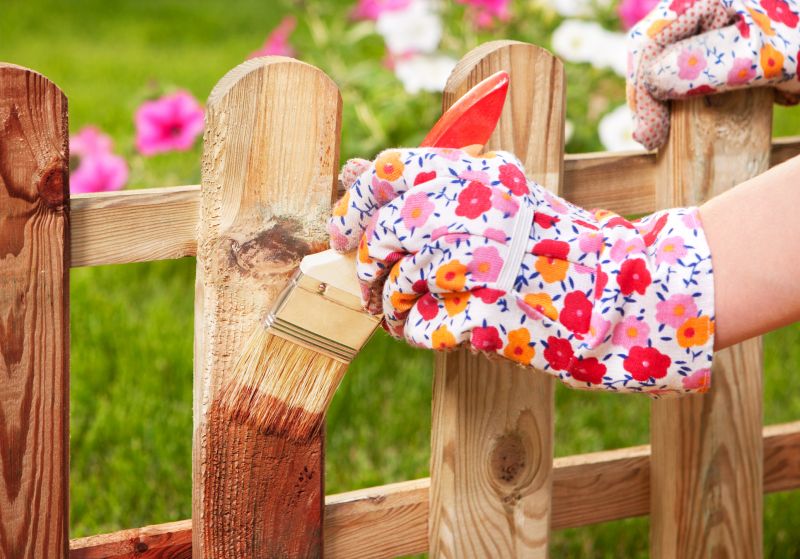
Fence Sealing in Seattle, WA
Fence sealing services involve applying protective treatments to fences to help prevent damage caused by moisture, sun exposure, and general wear over time. This service is commonly requested for wood, cedar, and other porous fencing materials to extend their lifespan and maintain their appearance. Projects can include sealing new fences during installation or refreshing existing fences that have become weathered or faded, ensuring they remain durable and visually appealing for years to come. Property owners typically want to understand the benefits of sealing, such as improved resistance to rot, mold, and insect damage, as well as the best timing for application depending on the fence material and local climate conditions.
Before requesting fence sealing, property owners often seek information about the types of sealants used, how often the treatment should be reapplied, and whether the process involves any preparation or drying time. It’s also common to inquire about the impact on the fence’s appearance, such as whether the sealant will alter the color or texture. Understanding these details helps homeowners make informed decisions to protect their investment, maintain curb appeal, and ensure the longevity of their fencing.
Many property owners in Seattle, WA look into Fence Sealing for repairs, replacements, upgrades, and appearance-related improvements.
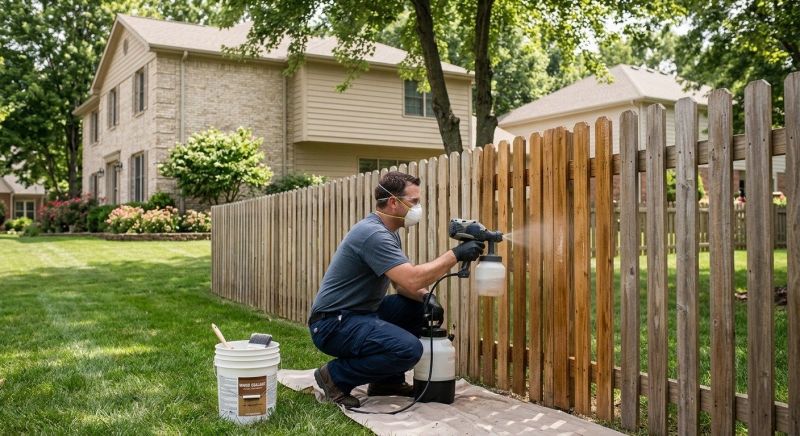
Protecting Your Fence
Sealing helps prevent water damage and extends the lifespan of fences in seattle's wet climate.
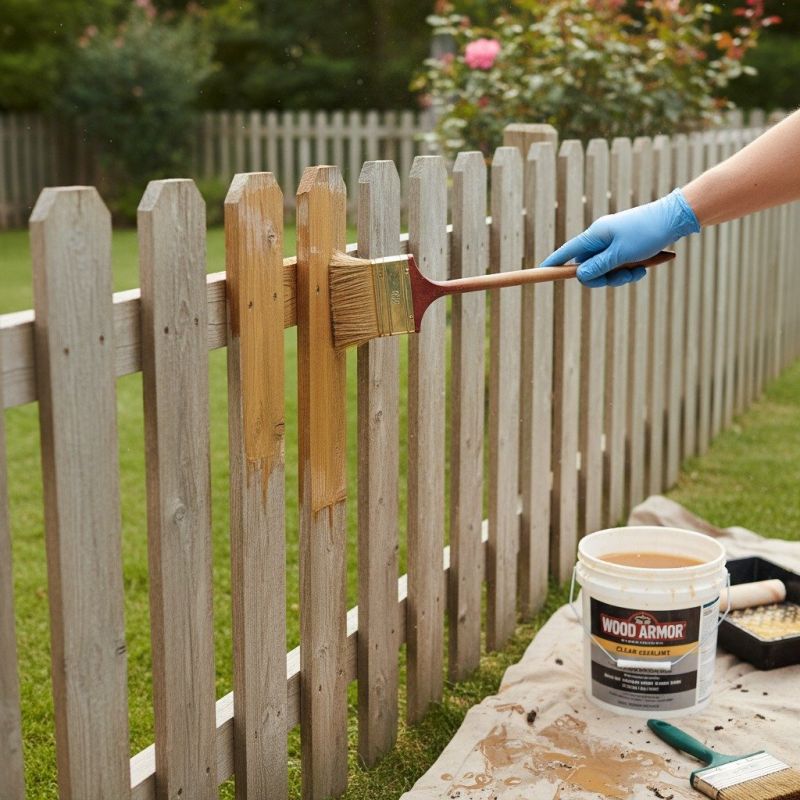
Enhancing Fence Appearance
Proper sealing maintains the natural look and color of wood fences while providing a fresh, clean finish.
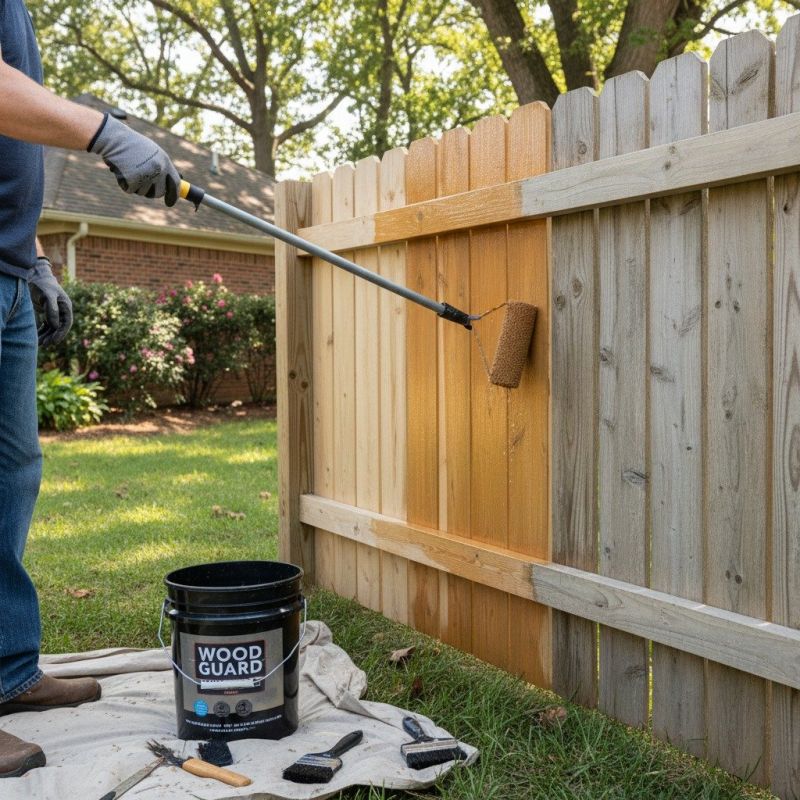
Maintaining Property Value
Regular fence sealing contributes to the overall curb appeal and durability of residential and commercial properties in the area.
Fence Sealing in Seattle, WA
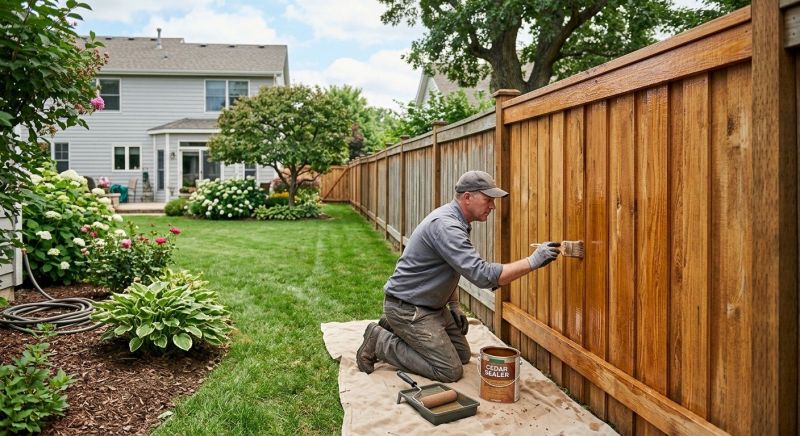
Fence sealing services involve applying protective treatments to fences to help prevent damage caused by moisture, sun exposure, and general wear over time. This service is commonly requested for wood, cedar, and other porous fencing materials to extend their lifespan and maintain their appearance. Projects can include sealing new fences during installation or refreshing existing fences that have become weathered or faded, ensuring they remain durable and visually appealing for years to come. Property owners typically want to understand the benefits of sealing, such as improved resistance to rot, mold, and insect damage, as well as the best timing for application depending on the fence material and local climate conditions.
Before requesting fence sealing, property owners often seek information about the types of sealants used, how often the treatment should be reapplied, and whether the process involves any preparation or drying time. It’s also common to inquire about the impact on the fence’s appearance, such as whether the sealant will alter the color or texture. Understanding these details helps homeowners make informed decisions to protect their investment, maintain curb appeal, and ensure the longevity of their fencing.
Many property owners in Seattle, WA look into Fence Sealing for repairs, replacements, upgrades, and appearance-related improvements.
Common Fence Sealing Jobs
Fence sealing helps protect wood and other materials from moisture and weather damage.
Wood fences can benefit from sealing to prevent rot, warping, and splintering over time.
Chain-link fences can be sealed to reduce rust and extend their lifespan.
Privacy fences may require sealing after installation to preserve their appearance and durability.
Fence maintenance includes sealing to keep fences looking new and functioning properly.
Sealing services can help property owners maintain the integrity and value of their fences.
Fence Sealing Questions
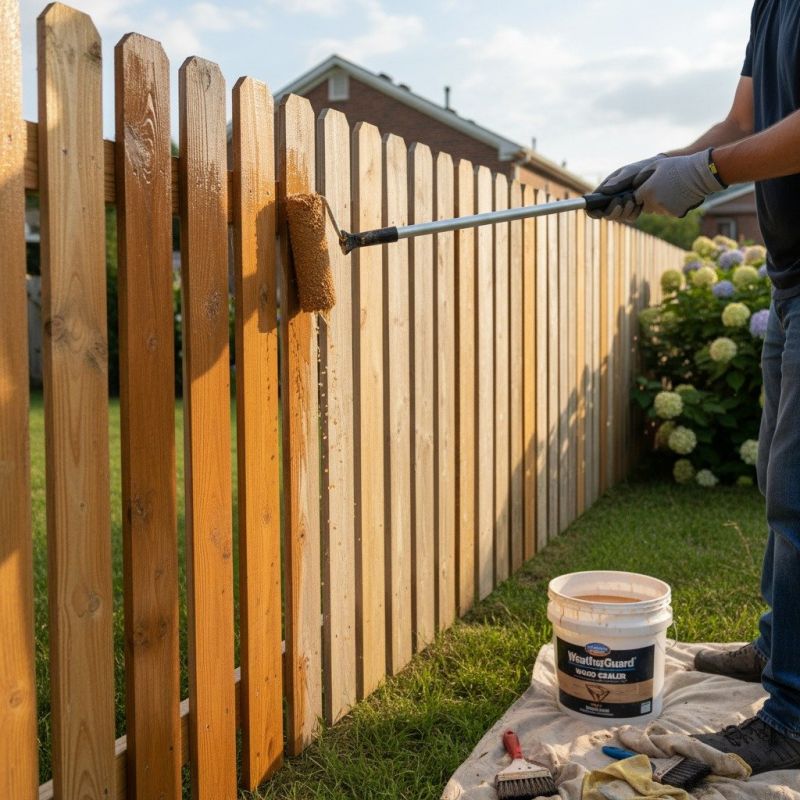
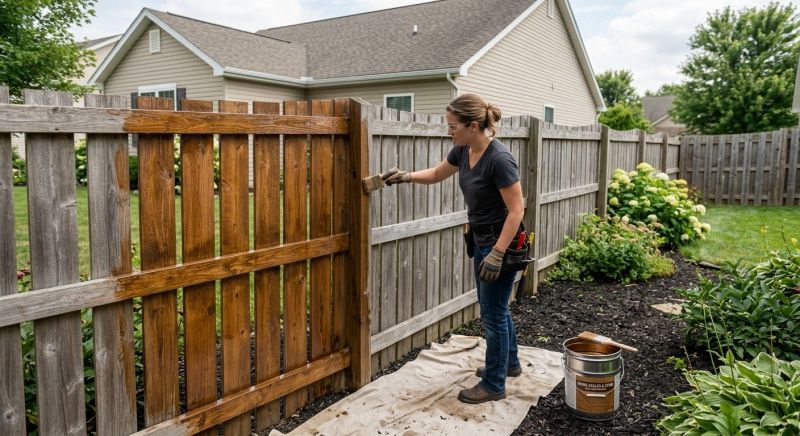
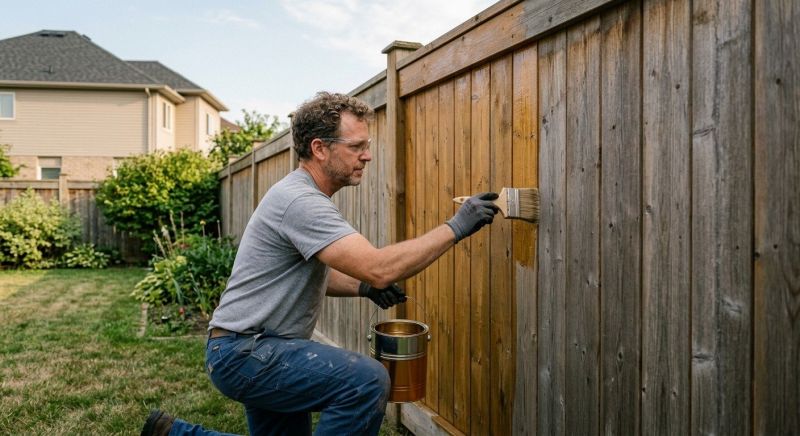
What is fence sealing? Fence sealing involves applying a protective coating to help prevent damage from moisture, UV rays, and pests, extending the life of the fence.
Which types of fences benefit from sealing? Wood, cedar, and other porous fencing materials benefit most from sealing to maintain appearance and durability.
How often should a fence be sealed? Sealing is typically recommended every 1 to 3 years, depending on the fence material and local weather conditions.
What are common signs that a fence needs sealing? Faded color, visible cracks, or areas where the wood appears dry or weathered indicate it may be time for sealing.
Request Fence Sealing in Seattle, WA
Use the quote form on this page to share the basics of your project and request more information for the type of work you need.